Planning a Gutter Replacement for Your Atlanta Home
When to Consider New Gutters
Gutters do not last forever. Over time, exposure to sun, rain, and debris takes a toll. Rust spots, cracks, and sagging sections are clear signs that the system is nearing the end of its useful life. Many homeowners notice water spilling over the sides during a heavy storm or find puddles forming near the foundation after a light rain. These issues often point to gutters that can no longer handle their job.
Another common sign is peeling paint or water stains on fascia boards. If the metal or vinyl behind the gutter is showing visible wear, it is usually time to start planning. Delaying the work can lead to rot, mold, or damage to the roof edge. For homes in Atlanta, where afternoon thunderstorms are frequent, a reliable system is especially important.
Choosing the Right Material
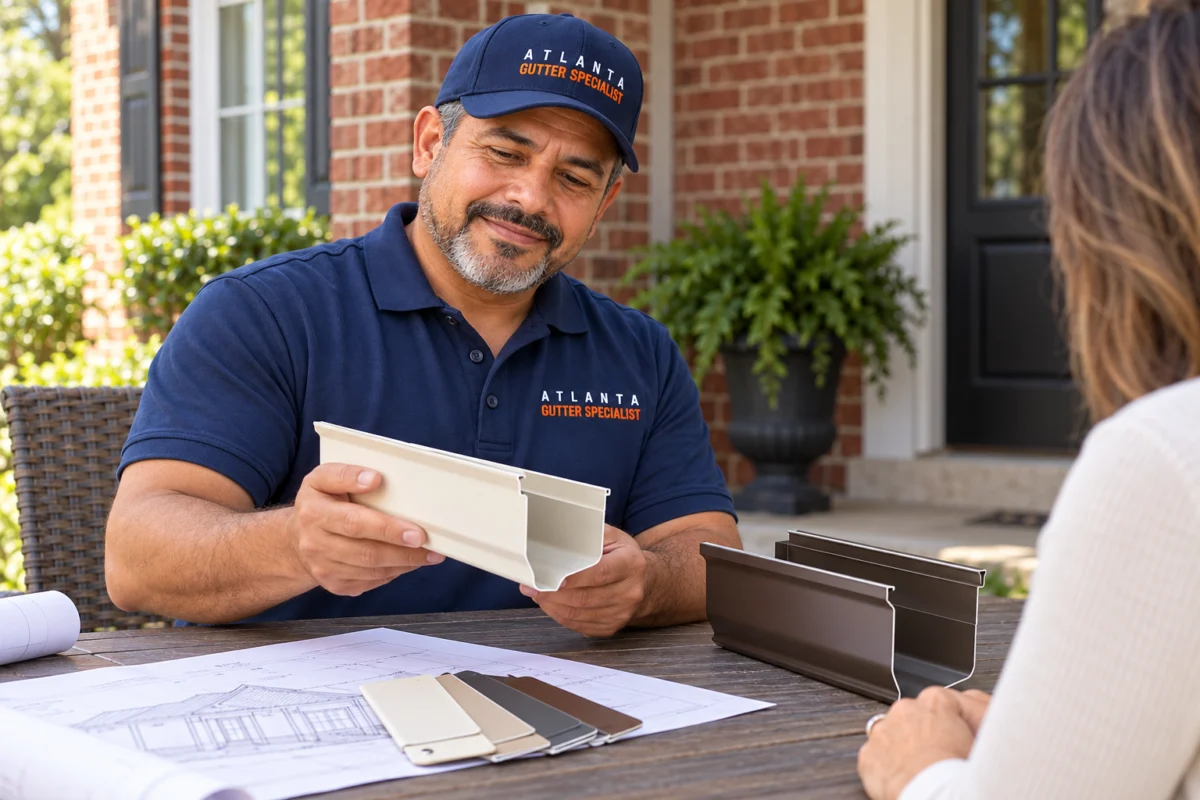
Material choice affects how long the gutters last and how much maintenance they need. Aluminum gutters are a popular option because they resist rust and hold up well in wet climates. They are lightweight and can be painted to match the house trim. Seamless gutters, often made from aluminum or steel, are formed on-site to the exact length of each run. This reduces the number of joints, which are common points for leaks.
Vinyl gutters are another option, usually at a lower cost. They are easy to install but become brittle in cold weather and may crack under heavy snow or ice. Copper gutters offer a distinctive look and very long life, but the price is higher and installation requires more skill. For most Atlanta homes, the balance of cost, durability, and appearance leans toward aluminum or painted steel.
Gauge thickness also matters. Thinner materials dent more easily and may not hold up to ladder weight during cleaning. Six-inch gutters handle more water volume than the standard five-inch size. In areas with steep roofs or heavy rainfall, the larger size can make a noticeable difference.
Getting the Pitch Right
Gutters must slope slightly toward the downspouts so water flows freely. This slope is called gutter pitch. Too little pitch and water pools in the channel. Too much pitch and the gutters look crooked from the ground. The standard recommendation is a quarter-inch drop for every ten feet of gutter run. That small angle is enough to keep water moving without being visible.
When replacing gutters, it is a good idea to check that the fascia board underneath is sound. If the board is rotted, it will need repair before the new gutters go up. Attaching new metal or vinyl to weak wood leads to sagging and misalignment. A straight, solid surface is the foundation for a long-lasting installation.
Routing Water Away from the House
Downspout routing is more than just pointing a pipe toward the ground. Where the water ends up matters. If downspouts empty too close to the foundation, water can seep into the basement or crawl space. Extensions, splash blocks, or buried drain pipes can move the water several feet away. In some Atlanta neighborhoods, local codes require that roof drainage does not flow onto neighboring properties.
Gutter flashing is another detail that often gets overlooked. This is the metal strip installed along the roof edge that directs water into the gutter. If the flashing is old or missing, water may run behind the gutter, causing rot on the fascia. A proper gutter replacement includes inspecting and replacing flashing where needed.
One of the most common mistakes is installing too few downspouts. A long run of gutter with only one outlet can overflow in a heavy storm. Adding an extra downspout or increasing the pipe size helps balance the flow. The goal is to move water away quickly and safely.
Leaf Guards and Gutter Guards
Atlanta has many trees, and leaves fill gutters every fall. Without protection, clogs are almost certain. Leaf guards and gutter guards sit over the top of the gutter or inside the channel to keep debris out while letting water through. They come in many styles, from foam inserts that sit inside the gutter to mesh screens that snap onto the edge.
Some guards are more effective than others. Fine mesh stops small particles but may clog with pine needles. Larger screens let more debris through but are easier to clean. No guard is perfect, but a good set can cut cleaning frequency from every few weeks to once or twice a year. When choosing guards, consider the types of trees on the property. A system that works for oak leaves may not work for pine needles.

Gutter replacement also offers a chance to add guards that match the new system. Some seamless gutters come with integrated leaf protection. Others have clips that hold guards in place without drilling holes in the metal. Planning for guards at the start is simpler than adding them later.
Seamless Gutters and Joints
Seamless gutters are formed in one continuous piece for each length of the house. Fewer joints means fewer places for leaks to start. Traditional sectional gutters have connectors every ten feet or so. Over time, those joints can separate or develop gaps. Seamless systems avoid that weak point entirely.
Installation of seamless gutters requires special equipment. A machine rolls the metal into shape on-site, cutting it to the exact measurement. This process takes more time upfront but can lead to a cleaner fit. For homeowners who plan to stay in the house for many years, the extra effort is often worth it.
That said, sectional gutters are not a bad choice if they are installed carefully. The key is using quality connectors and sealant. The joints must be clean and tight. A poorly sealed joint is a leak waiting to happen. Whether seamless or sectional, the quality of the work matters more than the type of gutter.
What to Expect During a Gutter Replacement
A typical gutter replacement starts with removing the old system. This includes the gutters, downspouts, and any old flashing. The fascia board is inspected and repaired if needed. Then the new flashing and gutters are installed, followed by downspouts and guards. The whole process usually takes one to three days, depending on the size of the house and the complexity of the roof line.
During the work, it helps to clear the area around the house so the crew can move freely. Ladders need to reach the roof edge, and debris will fall as the old gutters come down. Some homeowners prefer to be away during the noisiest parts, such as cutting metal or removing old sections.
After installation, check that the gutters are level (with the proper pitch) and that downspouts are secure. Run water from a hose on the roof to see if it flows to the downspouts without pooling. If water stands in the gutter, the pitch may need adjustment.

Making the Decision
Knowing when to move from repairs to a full gutter replacement is not always obvious. If patches are needed every year, or if the gutters are more than twenty years old, replacement is usually the more practical choice. The cost of repeated repairs adds up, and an old system will not perform as well as a new one.
For homeowners in Atlanta, timing can also depend on the season. Spring and fall are popular times for this work because the weather is mild. Summer storms can delay outdoor projects, and winter cold makes metal brittle. Planning ahead allows for a smoother installation.
Taking the time to choose the right material, pitch, and guards will result in a system that needs less attention and protects the house for years. A well-planned gutter replacement is not just about moving water. It is about keeping the home dry, the foundation stable, and the maintenance low.